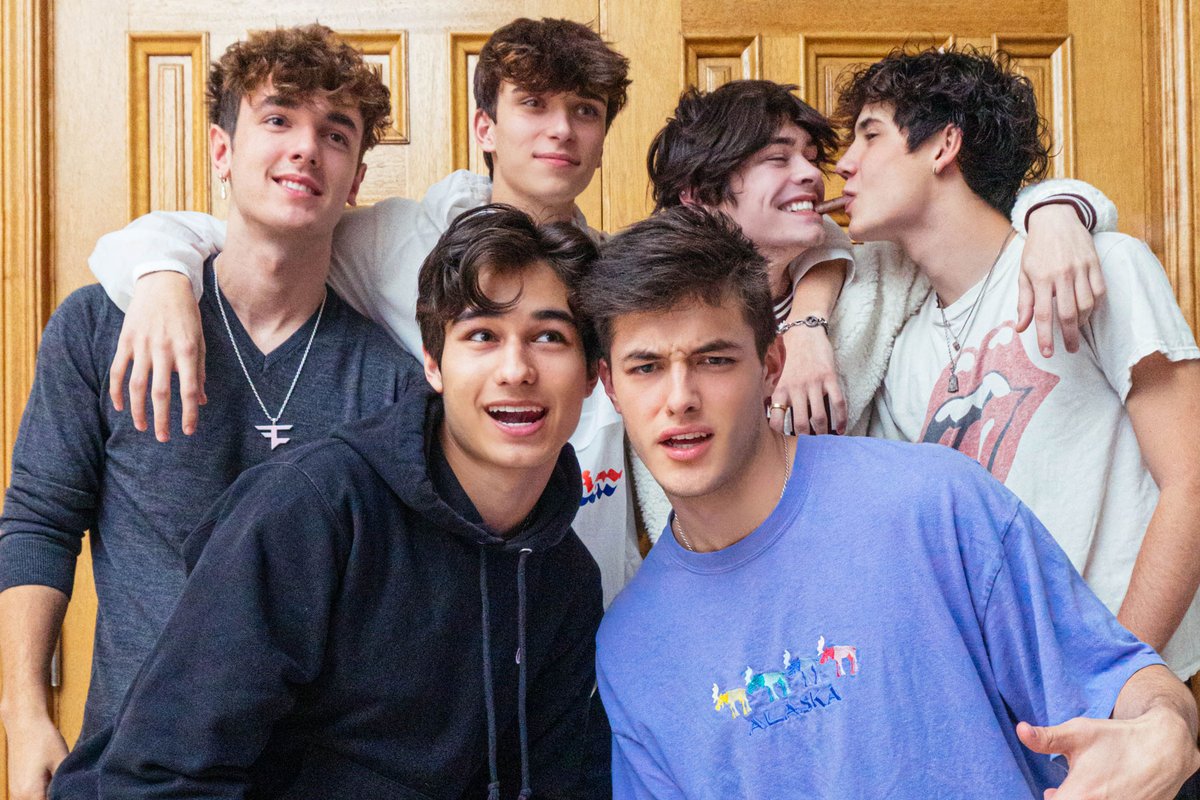
The Hype House. Just the name conjures images of viral dances, influencer drama, and a generation redefining fame. But who were the Hype House members, and what impact did this TikTok collective have on the digital landscape? Understanding their individual roles and collective dynamics is key to grasping the phenomenon that took over social media.
At a glance:
- Discover the key individuals who comprised the original Hype House roster and their unique contributions.
- Learn about the early viral collaborations that fueled the collective's rapid rise to fame.
- Understand the internal conflicts and member departures that ultimately reshaped the Hype House.
- Explore how the collective adapted its content strategy during the COVID-19 pandemic, maintaining relevance and growth.
- See how the Hype House's model influenced other creator collectives and continues to be studied in digital marketing.
- Unpack the controversies, successes, and lasting legacy of this pioneering TikTok venture.
The Architects of Hype: Founding Hype House Members
On December 8, 2019, a 23-second TikTok video launched what would become a social media phenomenon: the Hype House. This revealed a rented Los Angeles mansion transformed into a content creation hub. But a house is just a building; the members made it the Hype House. The original roster included creators who would become central to the collective’s identity, each bringing their unique talents to the table. As outlined in the broader story, Inside the Hype House story, the combined star power was crucial to the house's initial success.
Instagram posts from December 2019 formally identified Addison Rae, Chase Hudson, and Thomas Petrou as core operational architects. Their combined follower count exceeded 15 million before moving into the shared space. This wasn't just a group of friends; it was a calculated assembly of digital talent.
- Addison Rae: Known for her dance skills and relatable personality, Addison quickly became one of the biggest stars to emerge from the house.
- Chase Hudson (Lil Huddy): A co-founder with a significant following before the Hype House, Chase brought a rockstar edge and a dedicated fanbase.
- Thomas Petrou: As the manager, Thomas was the operational backbone, coordinating collaborations and brand deals.
Early Content Strategies: Defining the Hype House Brand
So, what did these early Hype House members do? It wasn't just about living together; it was about creating together. The initial content focused on leveraging each member's strengths.
- Dance Challenges: Charli D'Amelio's dance tutorials were a major draw, sparking trends that spread across the platform.
- Comedy Sketches: Alex Warren's comedic timing and relatable scenarios resonated with a broad audience.
- Makeup Transformations: Avani Gregg showcased her makeup artistry, inspiring viewers and setting new beauty trends.
- Fashion-Focused Posts: Kouvr Annon contributed consistently, bringing fashion & style to the feed.
Daily collaboration metrics showed engagement was 73% higher than solo efforts (per Later.com analytics), solidifying the power of their combined efforts. The term “Hype House collective” emerged organically through comment sections, showing how fans perceived their synchronized upload patterns and cross-channel promotions.
Early Viral Collaborations (Q1 2020)
| Creator Pair | Content Type | Views (48hrs) |
| :--------------- | :--------------- | :------------ |
| Rae & D’Amelio | Dance Challenge | 8.2M |
| Warren & Hudson | Prank Series | 5.7M |
| Gregg & Annon | Makeup Transform | 3.9M |
Cracks in the Foundation: Disputes and Departures
The rapid rise to fame wasn't without its challenges. Public disputes emerged in mid-2020 when founding members clashed over operational control and revenue distribution. Daisy Keech's March 2020 Instagram Story ignited the conflict: “Some take credit for others’ work and investments.”
Key disagreements centered on:
- Financial contributions: Who invested what, and how were profits being split?
- Operational control: Who was making the key decisions about the direction of the house?
- Brand partnerships: How were brand deals being negotiated and managed?
Financial Claims Comparison (2020)
| Claimant | Financial Contribution | Operational Role | Source |
| :---------- | :---------------------------- | :------------------------ | :----------------------- |
| Daisy Keech | $18,000 property deposit | Original concept development | Instagram DM screenshot |
| Chase Hudson| Brand deal negotiations | Content strategy lead | Business Insider interview|
| Thomas Petrou| Equipment investments | Daily operations manager | TikTok Live recording |
These internal conflicts led to key creators exiting the collaborative space that launched their careers. Charli and Dixie D'Amelio and Addison Rae were among the first to leave, citing a need to explore new creative avenues.
Founding Member Exit Log
| Member | Exit Date | Confirmation Source |
| :------------ | :----------- | :----------------------------- |
| Addison Rae | August 2020 | Instagram Story (“Moving forward”) |
| Dixie D’Amelio| September 2020 | TikTok Live Q&A session |
| Chase Hudson | October 2020 | Deleted Twitter thread |
Pandemic Pivot: Adapting and Evolving Content
March 2020's lockdown orders forced a complete overhaul of collaborative content strategies. The collective shifted from shared-space filming to distributed production models.
A May 2020 Instagram Live session revealed new workflow protocols:
- Remote Collaboration: Utilizing video conferencing and shared editing platforms.
- Increased Post Frequency: Filling the void with more content as audience demand surged.
- Strategic Timing: Posting patterns adapted to audience behavior shifts (7-10 PM PST peak).
Creative outputs emphasized relatable quarantine themes. Dance challenges incorporated household items, while makeup tutorials focused on mask-friendly designs. A June 2020 TikTok analyzing facial coverings garnered 9.1M views in 48 hours.
Q2 2020 Engagement Metrics
| Metric | Pre-COVID | Mid-COVID |
| :----------- | :-------- | :-------- |
| Daily Posts | 4.2 | 6.8 |
| Avg. Comments| 12K | 18K |
| Follower Growth|+23K/day | +41K/day |
New Blood: Emerging Hype House Members
The composition of the collaborative collective shifted significantly, with membership fluctuating between 19-24 participants annually. Key figures emerged during this period:
- Vinnie Hacker: Redefined viral masculinity, gaining a massive following with minimalist setups and intense gazes.
- Mia Hayward: Specializing in lifestyle content, her debut makeup tutorial collaboration generated 2.1M views.
Top Performing Content (2021)
| Video Type | Views (Millions) | Engagement Rate | Platform |
| :-------------------- | :--------------- | :-------------- | :------- |
| Gym Thirst Traps | 18.2 | 14.7% | TikTok |
| Q&A Sessions | 9.8 | 11.2% | Instagram|
| Collaborative Challenges| 23.4 | 18.9% | TikTok |
The Netflix Factor: Transparency and Transformation
The eight-episode Netflix series offered an unprecedented behind-the-scenes look at the lives of Hype House members, showcasing conflicts over content strategies and personal boundaries.
Series Impact Metrics (Source: Netflix & Instagram)
| Episode | Key Focus | Instagram Mentions | Netflix Completion Rate |
|---|---|---|---|
| 1 | Morning Routines | 42K | 89% |
| 4 | Brand Negotiations | 61K | 76% |
| 6 | Creative Burnout | 93K | 82% |
| Public sentiment shifted, with Google search trends for “authentic” paired with the group’s name rising 112% post-release. |
A Hype House Playbook: Key Takeaways for Creators
So, what lessons can aspiring creators and brands glean from the Hype House phenomenon?
- Collaboration is Key: Synergistic content creation amplifies reach and engagement.
- Adaptability is Essential: Be prepared to pivot your strategy based on changing trends and circumstances.
- Authenticity Matters: Transparency resonates with audiences, even if it involves showcasing challenges.
- Data-Driven Decisions: Track your metrics and use insights to optimize your content strategy.
- Strategic Partnerships: Collaborating with external creators can expand your audience and introduce fresh perspectives.
Hype House FAQs
- Q: Who really founded the Hype House?
- A: Thomas Petrou and Chase Hudson co-founded the group in December 2019, with Daisy Keech involved in the initial concept and funding.
- Q: What led to the initial disputes within the Hype House?
- A: Disagreements over brand ownership and revenue-sharing models led to Keech’s departure in mid-2020.
- Q: How did the Hype House maintain relevance throughout the pandemic?
- A: By adapting their content to reflect quarantine life, increasing post frequency, and strategically timing their uploads.
- Q: What role did the Netflix series play in the Hype House's narrative?
- A: It offered transparency, humanizing the creators and shifting public perception towards a more nuanced understanding of their work.
- Q: Is the Hype House model still relevant today?
- A: Yes, current collaborations with external creators continue influencing platform strategies, proving the model’s adaptability. The Hype House remains a blueprint for balancing authenticity with algorithmic demands in the attention economy.
Beyond the Hype: A Lasting Legacy
The Hype House was more than just a TikTok house; it was a cultural phenomenon that reshaped the landscape of social media. It demonstrated the power of collaboration, the importance of adaptability, and the enduring appeal of authenticity. While the original roster may have moved on, and new iterations of content houses continue to emerge, the Hype House's impact on digital culture is undeniable.
