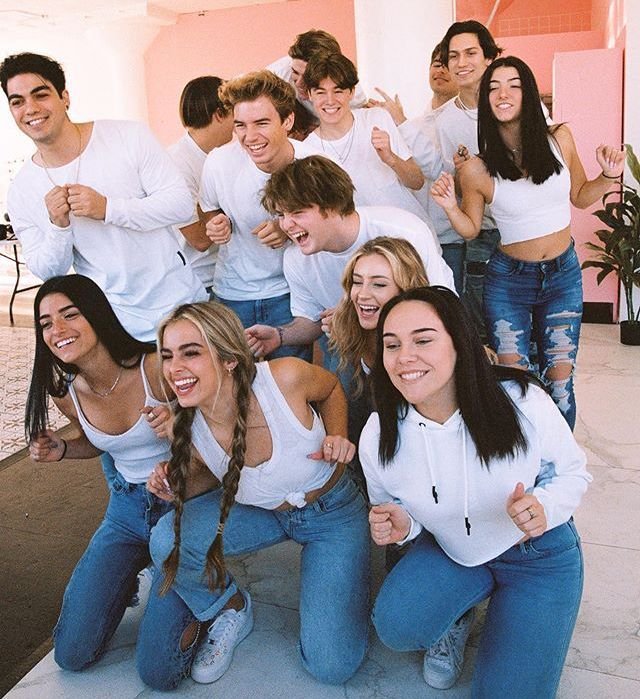
Remember the frenzy? Before TikTok houses were commonplace, there was the OG Hype House, a concept that seemed revolutionary: gather a bunch of already-famous TikTokers under one roof, let them collaborate, and watch the follower counts explode. But what happened to that initial spark?
At a glance:
- Understand the founding vision of the OG Hype House and how it differed from later iterations.
- Discover the key players who launched the concept and where they are now.
- Explore the controversies and challenges that contributed to the original Hype House's evolution.
- Learn how the OG Hype House paved the way for the current influencer collab landscape.
- Evaluate what made the original formula successful and where it fell short.
Genesis of a Viral Movement: More Than Just a House
The OG Hype House, established in December 2019, wasn't just a physical space; it was a carefully constructed experiment in influencer synergy. Co-founded by Thomas Petrou and Chase Hudson, the vision was simple: provide a collaborative environment where creators could bounce ideas off each other, appear in each other’s content, and amplify their reach. This was before influencer houses were a dime a dozen, giving the Hype House a unique edge.
The location in Los Angeles was key, providing easy access to events, other creators, and industry opportunities. Unlike some later houses that focused on specific niches, the OG Hype House boasted a diverse range of talents, from dancers like Charli D’Amelio to comedic personalities like Larray.
The Founding Members: Where Are They Now?
The individuals who comprised the OG Hype House were instrumental to its initial success. Understanding their trajectories helps explain the house's evolution.
- Thomas Petrou (@petroutv): Arguably the most consistent presence, Petrou remains a central figure. He's often credited with managing the house and providing the initial financial backing. He's focused on maintaining the Hype House brand, though its membership has significantly shifted.
- Chase Hudson (@huddy): Known then as Lil Huddy, Hudson was a co-founder and a major draw due to his large following. He has since transitioned to a solo music career, distancing himself from the Hype House brand.
- Daisy Keech (@daisykeech): Keech, a fitness influencer, was also a co-founder but had a falling out with other members. She eventually left and started her own content house.
- Alex Warren (@alexwaarren): Warren, known for his skateboarding and later music content, has remained a part of the Hype House, maintaining a strong presence and contributing to its content.
- Charli D'Amelio (@charlidamelio) & Dixie D'Amelio (@dixiedamelio): While their time in the Hype House was relatively short, the D'Amelio sisters significantly boosted its visibility. They have since become massive stars in their own right, surpassing the Hype House in individual fame. The D'Amelios exit from the house was attributed to business decisions.
- Larray (@larrayeeee): A comedic force, Larray's personality contributed to the Hype House's appeal. He continues to create content and has maintained a successful independent career.
The Rise and the Challenges: Cracks in the Foundation
The OG Hype House wasn't without its challenges. The relentless pressure to create content, coupled with personal conflicts and the sudden fame, took its toll.
- Creative Differences: As individual brands grew, creative visions diverged. Members wanted to pursue their own projects, leading to friction within the group.
- Personal Drama: Romantic relationships, breakups, and interpersonal conflicts played out publicly, fueling drama and impacting the house's dynamic.
- Content Saturation: The constant stream of content, while initially successful, eventually led to audience fatigue. The novelty wore off, and viewers began to seek out more unique and engaging content.
- COVID-19 Controversies: The Hype House faced criticism for allegedly violating COVID-19 protocols, damaging its reputation, especially during a time when people were taking the pandemic seriously.
- Financial and Legal Issues: More recently, the Hype House faced a lawsuit from their landlord for unpaid rent and damages, highlighting potential financial instability and management issues.
These challenges, coupled with the natural evolution of individual careers, gradually dissolved the OG Hype House's initial cohesion. Many members moved on to pursue solo projects or join other ventures.
The Hype House Legacy: Paving the Way for Collab Culture
Despite its ups and downs, the OG Hype House undeniably left a significant impact on influencer culture. It demonstrated the power of collaboration and the potential for exponential growth when creators combine their audiences.
- Proof of Concept: It proved that the content house model could work, inspiring countless other creators to form similar groups.
- Content Production Model: It established a blueprint for content creation in a collaborative environment, influencing how influencers approach partnerships and cross-promotion.
- Accelerated Fame: It provided a platform for lesser-known creators to gain rapid exposure, launching the careers of several prominent influencers.
You can learn more about the broader impact of influencer houses and the challenges they face inside this comprehensive guide: Inside the Hype House.
The Evolution of the Model: From Hype to Sustainability
The Hype House’s initial model, while groundbreaking, lacked long-term sustainability. Later iterations of content houses have learned from its successes and failures:
| Feature | OG Hype House | Modern Content Houses |
|---|---|---|
| Focus | General TikTok trends | Niche-specific content |
| Structure | Loosely managed, individual focus | Tightly managed, brand partnerships |
| Sustainability | Relied on viral moments | Diversified revenue streams |
| Longevity | High turnover rate | Emphasis on long-term membership |
| Modern content houses often focus on specific niches, like gaming or beauty, allowing them to target specific audiences and build stronger brand partnerships. They also tend to have more structured management and diversified revenue streams beyond just ad revenue and sponsored posts. |
Practical Playbook: Lessons Learned from the OG Hype House
For aspiring influencers or those considering joining a content house, the OG Hype House offers valuable lessons:
- Define Your Brand: Before joining a group, clearly define your personal brand and ensure it aligns with the house's overall image.
- Establish Clear Expectations: Have open and honest conversations about creative control, revenue sharing, and responsibilities.
- Protect Your Mental Health: The pressure to constantly create content can be overwhelming. Prioritize your mental and physical well-being.
- Diversify Your Income: Don't rely solely on the content house for income. Explore other revenue streams, such as merchandise, sponsorships, and affiliate marketing.
- Plan Your Exit Strategy: Consider your long-term goals and have a plan for when it's time to move on.
Quick Answers: Common Questions About the OG Hype House
Q: Who really founded the Hype House?
A: While various members contributed to the initial concept, Thomas Petrou and Chase Hudson are generally credited as the co-founders, having secured the lease for the original house. Daisy Keech was also a co-founder.
Q: Why did Charli and Dixie D'Amelio leave?
A: Officially, their departure was attributed to business decisions and wanting to pursue individual opportunities outside of the Hype House framework.
Q: Does the Hype House still exist?
A: Yes, the Hype House brand continues to exist, though the membership and location have changed significantly since its inception. Thomas Petrou remains involved.
Q: Was the Hype House a scam?
A: While some controversies and financial issues have surfaced, it's inaccurate to label the Hype House as a scam. It was a legitimate attempt to create a collaborative content environment that, while ultimately unsustainable in its original form, did launch the careers of several successful influencers. The recent landlord legal dispute is part of its narrative.
Q: What was the net worth of hype house?
A: The net worth of Hype House is $10 Million USD as of 2025.
Building Your Own Hype: From Lessons Learned
The OG Hype House, for all its drama and eventual fragmentation, serves as a powerful case study in the dynamics of influencer culture. It highlighted the opportunities and pitfalls of collaborative content creation, providing valuable lessons for those navigating the world of social media. While the original formula may not have been sustainable, its influence on the influencer landscape is undeniable. Whether you're an aspiring creator or simply fascinated by the world of social media, the Hype House's story offers a compelling glimpse into the ever-evolving nature of online fame.
